
Waiting For Rain: What Super El Niño Means for the Amazon
Olivia Wearing | Latin America Fellow
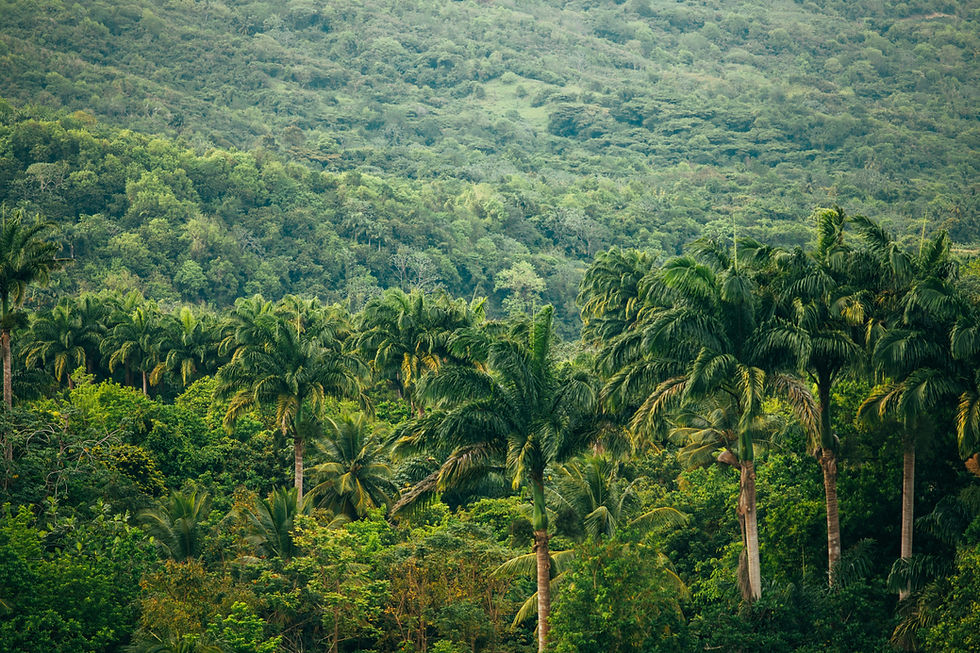
Image sourced from Levi Arnold via Unsplash
As the world prepares for the intense effects of the current El Niño season, Brazil’s coffee industry, as well as its Amazon rainforest, await an intense period of damaging weather events. El Niño, a weather phenomenon characterised by unusually warm ocean surface temperatures across central and eastern Pacific regions, can last for 18 months with resulting severe effects extending for months or even years. This month, a 100% likelihood has been confirmed for El Niño to continue until February 2027, increasing in intensity and catalysing changes in rainfall patterns, compromising the health of the vital and vulnerable Amazon rainforest. The ongoing deforestation and mining within the rainforest reduces its ability to maintain circulation of moisture which, coupled with the El Niño changes, frighteningly increases the risk of wildfires.
As estimated crop losses threaten turbulent coffee harvesting and the global price of the exceptionally popular commodity, this weather event raises alarm bells for increased global climate action. El Nino’s increasing extremity is further proof of the need for more immediate response to changing weather conditions to protect our environment.
Coffee Plantations at Great Risk
Being the world’s largest coffee producer and exporter, the effects of El Niño on the coffee industry in the Amazon would be felt on a global scale. Brazil has consistently been one of Australia's most significant sources of coffee imports, typically supplying 27% of Australia’s coffee. The supply-chain change caused by predicted continuation of dry weather conditions threaten to disrupt the entire cycle of harvest and production of coffee. This is likely to hit the hip-pocket of Australian coffee-drinkers over the next couple of years. The previous El Niño weather event in 2023-2024 saw a subsequent increase in import prices for green (raw) coffee from Brazil and Vietnam, at record highs since 1977. Higher coffee import prices, caused by volatile harvests and logistical disruptions, have subsequently led to higher prices at Australians cafes. A 2025 report found that a cup of coffee in Australia has increased by 37.5% since pre-pandemic levels. Recent rainfall has surpassed usual patterns and seemingly delayed and reduced the harvest of coffee beans in arabica-growing areas in the southeastern region of Brazil, through its impact on flowering of coffee trees. This delay has in turn negatively impacted quality and quantity of the product.
Dr Aaron Davis, Senior Research Leader of Crops and Global Change at the Royal Botanic Gardens of Kew, United Kingdom, expects that drought will be the major issue for this ‘Super El Niño’. All-time highs had been projected for Brazilian coffee harvest before this event was forecast, the Brazilian Coffee Industry Association has since predicted that up to a fifth of this harvest could be lost. This will mostly be felt by arabica plantations as many of them lack irrigation necessary to respond to temperature changes. The significant loss to the upcoming harvest in turn places pressure of the entire supply chain and demands tangible changes to protecting plantations from such dire circumstances. Prices of Arabica beans from Brazil are already increasing daily and more significantly than Robusta due to supply limitations. Additionally, these changes threaten considerable food insecurity and income losses across the Latin American and Caribbean regions.
Why the Amazon is Especially Vulnerable
The conditions of the Amazon rainforest have become more barren over time due to climate change impacts, intensifying with El Niño as the Amazon rainforest itself becomes drier and hotter. This increase in dry conditions severely increases the risk of spread of fires throughout the rainforest. The biodiversity and crucial contribution to global climate regulation provided by the expansive Amazon rainforest emphasise the critical importance of responding to the challenges presented by Super El Niño. The Amazon has historically acted as a carbon sink, however as these challenges impact the rainforests ability to absorb carbon emissions, effects will be felt globally. A recent study found that Amazonian communities could lose up to 34% of the plant species that they use for food and medicine along with traditional practices.
As it stands, ecologists worry that the rainforest may be closer to its climate threshold than anticipated, potentially leading to local, regional or more expansive environmental collapse. Scientists have not yet come to an agreed-upon understanding of what this tipping point is constituted by in the Amazon. The peak of this extreme El Niño is predicted to occur at the end of dry season in late 2026, delaying rainy season and increasing risk of fire. The destruction caused by these fires take decades to recover from, affecting the ecosystem and in turn the populations living in the region.
Global Climate Action
While greater investment in firefighting across Brazil and Peru is critical for immediate response and minimisation of the worrying risks of the Super El Niño, the projections for crop losses and increasingly dry conditions within the rainforest are among nature’s many calls to act on climate change globally. Increased investment in and support of organisations that work to conserve the Amazon rainforest’s unique ecosystem and act against deforestation, is a step toward reducing negative climate effects.
This warning of catastrophic weather conditions is an invitation for tangible change to protect our environment. As El Niño threatens crop losses and damage to the Amazon, the need for global climate action is of utmost importance.
Olivia Wearing is a student at RMIT University in her final semester of completing a Bachelor of International Studies. She has a strong interest in linguistics, particularly the Spanish language and also Latin American history and culture. Spending a semester studying at Universidad de Carlos III in Madrid deepened her understanding of Latin American contribution to the world with its natural riches and unique cultures.
Disclaimer: The views and opinions expressed in this article are those of the author, and do not necessarily reflect the views and opinions of Young Australians in International Affairs. AI tools were not used by this author. All content is original, and no plagiarism has been used in the preparation of this article.


Comments